Learning Outcomes
By the end of this lesson, students should be able to:
i. Describe the vital roles of minerals in various bodily functions, including oxygen transport, bone and tooth formation, energy production, and immune function.
ii. Explain the importance of consuming adequate amounts of essential minerals, such as iron, calcium, phosphorus, and zinc, to maintain overall health and prevent mineral deficiencies.
iii. Identify the signs and symptoms of mineral deficiencies, emphasizing the consequences of inadequate mineral intake.
iv. Recognize the importance of a balanced diet rich in minerals from a variety of plant and animal sources to promote optimal health and well-being.
Introduction
Minerals, inorganic nutrients found in food and water, play indispensable roles in maintaining overall health and well-being. They are essential building blocks for our bodies, supporting a wide range of physiological processes, from bone and tooth formation to energy production and nerve signaling. Understanding the vital roles of minerals in nutrition is crucial for making informed food choices and promoting optimal health.
i. Iron: The Oxygen Carrier
Iron, a component of hemoglobin, the protein in red blood cells responsible for oxygen transport, is crucial for oxygen delivery to cells throughout the body. Adequate iron intake is essential for energy production, maintaining physical performance, and supporting cognitive function.
ii. Calcium: The Foundation of Strength
Calcium, the most abundant mineral in the human body, is the primary component of bone and teeth, providing structural support and protection. It also plays a critical role in muscle contraction, nerve signaling, and blood clotting.
iii. Phosphorus: The Energy Generator
Phosphorus, the second most abundant mineral in the body, is essential for energy production, cell structure, and bone and tooth formation. It is also involved in DNA synthesis, cell signaling, and the regulation of acid-base balance.
iv. Zinc: The Immune Booster
Zinc, a vital nutrient for growth, development, and immune function, is also involved in wound healing, cell division, and DNA synthesis. Adequate zinc intake is crucial for maintaining a healthy immune system, supporting normal growth and development, and promoting wound healing.
v. Mineral Deficiencies: A Cause for Concern
Mineral deficiencies can lead to a range of health problems, affecting various bodily functions and overall well-being. Common symptoms of mineral deficiencies include:
Iron deficiency: Fatigue, weakness, pale skin, shortness of breath, and decreased cognitive function.
Calcium deficiency: Brittle bones (osteoporosis), muscle cramps, tingling sensations, and increased risk of fractures.
Phosphorus deficiency: Bone weakness, muscle weakness, fatigue, and loss of appetite.
Zinc deficiency: Impaired immune function, delayed wound healing, hair loss, and skin problems.
A Balanced Diet: A Mineral-Rich Pathway to Health
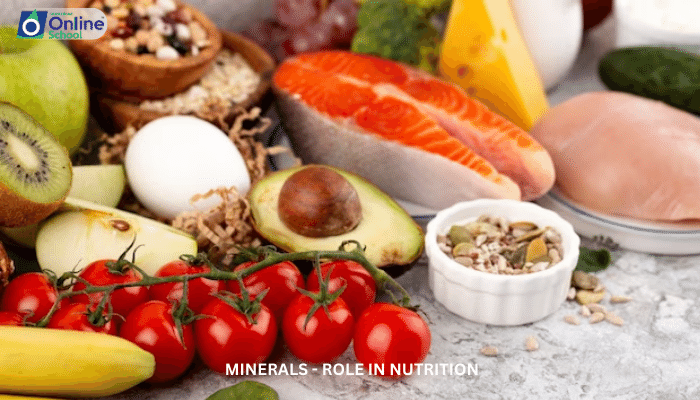
A balanced diet rich in minerals from a variety of plant and animal sources is essential for preventing mineral deficiencies and promoting optimal health. Consuming a diverse range of foods, including fruits, vegetables, whole grains, legumes, nuts, seeds, and lean protein sources, provides a rich supply of minerals to support the body's needs.
Minerals are essential micronutrients that play crucial roles in maintaining overall health and well-being. Understanding their vital functions, recognizing the signs and symptoms of deficiencies, and prioritizing a balanced diet rich in minerals are crucial steps towards promoting optimal health and preventing mineral-related health problems. By making informed food choices and incorporating a variety of mineral-rich foods into their diet, individuals can empower themselves to live healthier, more vibrant lives.
